
Created by - Eduard Bes
Green Oasis: Permaculture Practices for Arid Environments
Green Oasis: Permaculture Practices for Arid EnvironmentsWelcome to "Green Oasis: Permaculture Practices for Arid Environments." Here, we delve into the principles and techniques of permaculture, providing innovative solutions to transform arid landscapes into sustainable and productive oases.Understanding PermaculturePermaculture is a holistic approach to ecosystem design that emphasizes sustainability, self-sufficiency, and biodiversity. In arid environments, where water is scarce and temperatures can be extreme, permaculture offers methods to cultivate food, restore land, and support diverse ecosystems. The goal is to work with nature, not against it, creating systems that are resilient and regenerative.Key Permaculture Practices for Arid Environments1. Water Harvesting - Rainwater Collection: Installing systems such as rain barrels and cisterns to capture and store rainwater. - Swales and Contour Ditches: Digging shallow trenches along the land’s contour lines to slow down and capture runoff, allowing water to infiltrate the soil. - Ponds and Reservoirs: Creating water bodies to store excess water during the rainy season for use during dry periods.2. Soil Building - Composting: Turning organic waste into nutrient-rich compost to improve soil health and fertility. - Mulching: Applying a layer of organic material on the soil surface to retain moisture, suppress weeds, and enhance soil structure. - Cover Cropping: Growing specific plants to cover the soil, adding organic matter, and preventing erosion.3. Companion Planting - Plant Guilds: Grouping plants that benefit each other, such as nitrogen-fixing plants with nutrient-demanding crops. - Polyculture Systems: Cultivating multiple crops in the same space to enhance biodiversity and resilience against pests and diseases.4. Agroforestry - Windbreaks: Planting rows of trees and shrubs to reduce wind speed, protect crops, and create microclimates. - Alley Cropping: Growing crops between rows of trees to benefit from the shade, improved soil structure, and nutrient cycling provided by the trees.Practical ApplicationsWhether you are a farmer, gardener, landscape designer, or environmental enthusiast, permaculture principles can be adapted to your needs. Here are some practical applications:- Creating Microclimates: Modifying local conditions to benefit plant growth through the strategic placement of windbreaks, shade structures, and reflective surfaces.- Greywater Systems: Designing systems to reuse household water for irrigation, conserving fresh water resources.- Natural Building: Using local materials such as earth, stone, and wood to construct sustainable structures that blend seamlessly with the environment.- Integrated Pest Management: Utilizing natural predators, companion planting, and organic solutions to control pests without chemicals.Real-World ExamplesExplore real-world examples of successful permaculture projects in arid regions, showcasing innovative practices, overcoming challenges, and achieving long-term impacts. These case studies highlight:- Creative Adaptations: How individuals and communities have tailored permaculture techniques to their unique environmental conditions.- Problem-Solving: Strategies to address water scarcity, soil degradation, and climate challenges.- Sustainable Success: Ecological, economic, and social benefits realized through permaculture, such as improved food security, enhanced biodiversity, and community resilience.Join the JourneyEmbark on the journey towards creating green oases in deserts and transforming our world through permaculture. By following our blog, you’ll gain the knowledge and skills to:- Design sustainable landscapes resilient to climate extremes.- Restore degraded land and improve biodiversity.- Cultivate healthy, productive, and water-efficient gardens and farms.- Contribute to global efforts in promoting environmental sustainability and food security.Join us as we explore the fascinating world of permaculture, unlocking the potential to create sustainable futures in even the most challenging environments. Together, we can turn arid landscapes into thriving, green oases.
More detailsPublished - Fri, 17 May 2024

Created by - Eduard Bes
Sustainable Horticulture in Your Urban Backyard
Sustainable Horticulture in Your Urban BackyardWhen it comes to living in a city, many people may think that having a backyard garden is out of the question. However, with the rise of urban agriculture and sustainable horticulture practices, it is easier than ever to grow your own fruits, vegetables, and herbs in a small urban space.Sustainable horticulture is a method of gardening that focuses on using natural, organic methods to cultivate plants while minimizing the impact on the environment. By practicing sustainable horticulture in your urban backyard, you can reduce your carbon footprint, support local ecosystems, and enjoy fresh, homegrown produce all year round.Here are some tips for starting your own sustainable horticulture garden in your urban backyard:1. Start small: If you are new to gardening, it is best to start with a small plot or container garden. This will allow you to experiment with different plants and growing methods without feeling overwhelmed.2. Choose native plants: Native plants are well-suited to your local climate and soil conditions, making them easier to grow and maintain. They also provide important habitat and food sources for local wildlife.3. Use organic fertilizers and pesticides: Avoid using synthetic chemicals in your garden, as they can be harmful to beneficial insects, birds, and other animals. Instead, use organic fertilizers like compost and natural pest control methods like companion planting.4. Save water: In an urban environment, water can be a precious resource. Consider installing a rain barrel to collect rainwater for watering your plants, or use a drip irrigation system to minimize water waste.5. Support pollinators: Bees, butterflies, and other pollinators are essential for successful horticulture. Plant a variety of flowers and herbs that attract pollinators to your garden, and avoid using pesticides that can harm them.By incorporating these sustainable horticulture practices into your urban backyard garden, you can enjoy the benefits of fresh, healthy produce while also helping to protect the environment. So roll up your sleeves, grab your gardening tools, and get ready to grow your own sustainable paradise in the heart of the city.
More detailsPublished - Fri, 17 May 2024
Created by - Eduard Bes
Growing Health: Hydroponics and Medicinal Plants
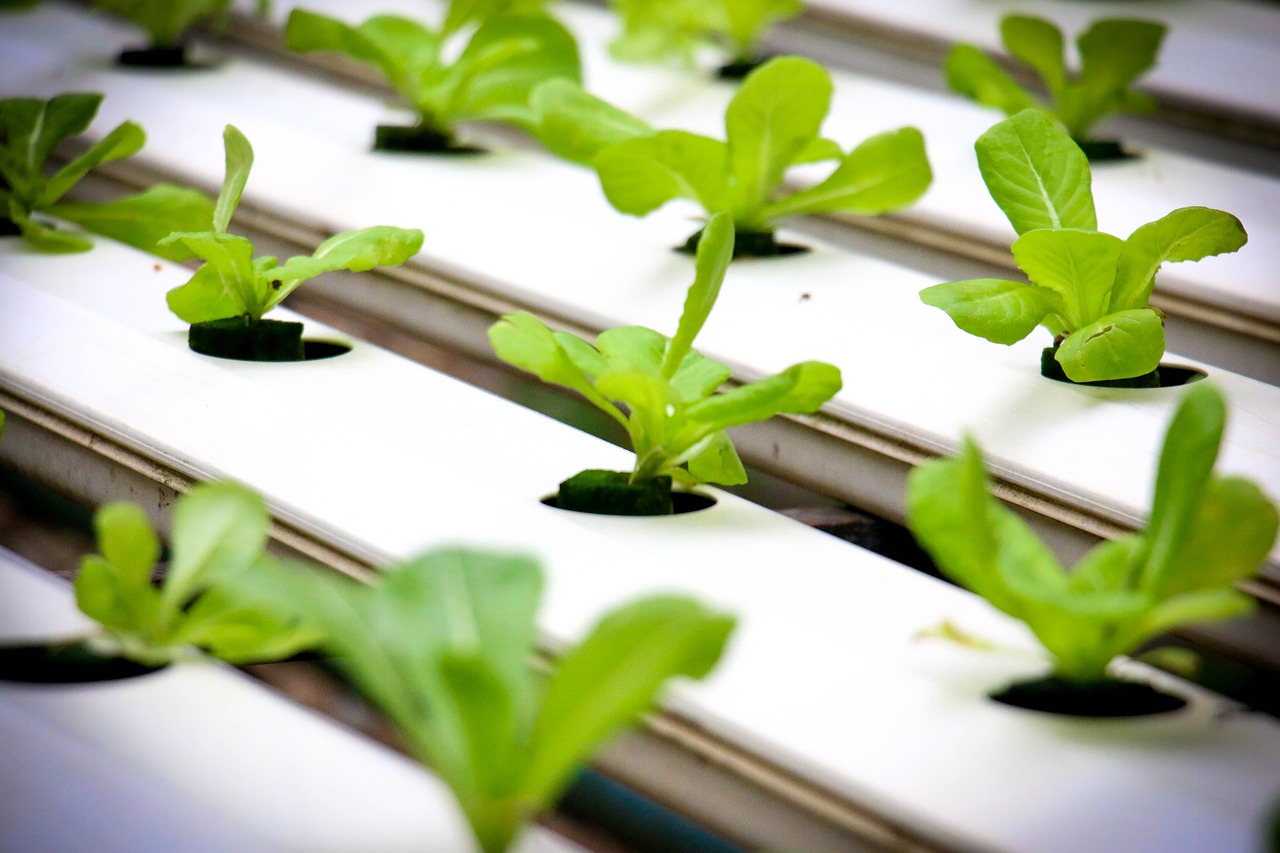
Growing Health Through Hydroponics: Revolutionizing Medicinal Plant CultivationHydroponics is a method of growing plants without soil, using nutrient-rich water instead. This innovative technique is gaining popularity for its ability to produce high-quality, healthy plants in controlled environments.Understanding HydroponicsHydroponics allows plants to grow in water-based, nutrient-rich solutions, bypassing the need for soil. By providing plants with precisely the right amount of nutrients, light, and water, hydroponics creates an optimal environment for growth. This method not only enhances plant health but also maximizes yields and reduces the risk of soil-borne diseases.The Power of Hydroponics in Medicinal Plant CultivationOne of the most exciting applications of hydroponics is in the cultivation of medicinal plants. By carefully monitoring nutrient levels and environmental conditions, growers can optimize the production of beneficial compounds in these plants. This means we can harness the healing power of plants like never before, producing potent herbal remedies free from harmful pesticides and contaminants.Optimizing Growth for Medicinal BenefitsMedicinal plants such as cannabis, echinacea, and mint can be grown hydroponically to enhance their therapeutic properties. Through hydroponics, we can:- Control nutrient Intake: Tailor nutrient solutions to meet the specific needs of each plant, enhancing the production of active compounds.- Regulate Environmental Conditions: Maintain ideal temperature, humidity, and light levels to boost plant health and potency.- Ensure Purity: Grow plants in a clean environment, free from soil contaminants and pesticides, ensuring the highest quality of herbal remedies.Benefits of Hydroponically Grown Medicinal PlantsGrowing health through hydroponics is beneficial not only for the plants but also for the humans who consume them. Here’s why:- Clean and Sustainable Growth: Hydroponics eliminates the need for soil, reducing the risk of soil-borne diseases and pests. This allows for the use of fewer pesticides and herbicides, leading to cleaner, more sustainable plant production.- Enhanced Plant Quality: By providing precise nutrient and environmental control, hydroponics ensures that medicinal plants develop their full potential, resulting in more effective herbal remedies.- Year-Round Cultivation: Controlled environments allow for year-round growth, ensuring a consistent supply of medicinal plants regardless of seasonal changes.Joining the Hydroponics RevolutionAs we explore the exciting world of hydroponics, we discover how this innovative technique can revolutionize our health and wellness routines. By adopting hydroponic methods, we can grow high-quality medicinal plants that are safe, potent, and beneficial for our health.- Learn and Share: Dive into the latest research and techniques in hydroponics, sharing knowledge with a community of like-minded individuals.- Experiment and Innovate: Try different hydroponic systems and nutrient solutions to find what works best for your specific medicinal plants.- Support Health and Wellness: Use hydroponically grown medicinal plants to create herbal remedies that support health and well-being in a natural and sustainable way.Let's Grow Health TogetherJoin us on this journey to explore the potential of hydroponics. Whether you're a seasoned grower or a curious beginner, there's a wealth of knowledge and experience to be gained. Together, we can revolutionize the way we cultivate medicinal plants and enhance our health and wellness.Stay tuned as we delve deeper into hydroponic techniques, share success stories, and provide tips for growing your own medicinal plants at home. Let’s grow health together, harnessing the power of hydroponics to create a healthier, more sustainable future.
More detailsPublished - Fri, 17 May 2024

Created by - Eduard Bes
Composting at home
Composting at home: A Sustainable Solution for Urban DwellersLiving in a small apartment in the city doesn't mean you have to miss out on the benefits of composting. In fact, composting in your small space can be a great way to reduce your environmental impact and create nutrient-rich soil for your plants or garden. Here are some tips on how to get started with composting in your small apartment:1. Choose a composting method that works for your space: There are several options for composting in a small apartment, such as vermicomposting (using worms to break down organic waste), bokashi composting (using a special anaerobic fermentation process), or using a small compost bin with a carbon filter to reduce odors.2. Collect your organic waste: Start collecting fruit and vegetable scraps, coffee grounds, eggshells, and other organic waste in a small container in your kitchen. Be sure to avoid meat, dairy, and oily foods, as these can attract pests and create unpleasant odors.3. Set up your composting system: Once you have collected enough organic waste, transfer it to your chosen composting method. Follow the instructions for your specific system to ensure proper aeration, moisture levels, and decomposition.4. Maintain your compost: Regularly check on your compost to make sure it's not too wet or dry, and add more organic waste or bedding materials as needed. Turn or aerate your compost pile regularly to speed up decomposition and prevent odors.5. Use your finished compost: After a few weeks or months, depending on your composting method, your organic waste will have been transformed into nutrient-rich soil. Use this compost to fertilize your houseplants, balcony garden, or community garden plot.Composting in your small apartment may seem daunting at first, but with the right tools and techniques, it can be a rewarding and sustainable practice. By diverting organic waste from the landfill and creating your own nutrient-rich soil, you'll be taking a step towards a more environmentally-friendly lifestyle. So why not give composting a try in your small space today? Your plants and the planet will thank you.
More detailsPublished - Sat, 18 May 2024

Created by - Eduard Bes
Launching an Eco-Friendly Car Wash in the City
If you are passionate about promoting sustainability and environmental conservation, starting an eco-friendly car wash business inside a city could be a great venture for you. With the increasing awareness about the importance of preserving our planet, eco-friendly businesses are gaining popularity and customers are actively seeking out green alternatives.When it comes to starting an eco-friendly car wash business, there are several key factors to consider:1. Eco-friendly products: One of the most important aspects of running an environmentally-conscious car wash business is using eco-friendly cleaning products. Traditional car wash detergents contain harmful chemicals that can pollute waterways and harm aquatic life. Opt for biodegradable and non-toxic cleaning products that are safe for the environment.2. Water conservation: Conserving water is crucial for an eco-friendly car wash business. Implement water-saving techniques such as using a water recycling system and low-flow nozzles to minimize water wastage. Educate your customers on the importance of water conservation and encourage them to choose eco-friendly car wash options.3. Energy efficiency: Reduce your business's carbon footprint by investing in energy-efficient equipment and technologies. Switch to LED lighting, install solar panels, and use energy-efficient appliances to lower your energy consumption and reduce your business's environmental impact.4. Green building materials: When setting up your car wash facility, choose sustainable and eco-friendly building materials. Opt for recycled or reclaimed materials and incorporate green design elements into your space to create a more environmentally-friendly environment.5. Marketing your eco-friendly business: Highlight the eco-friendly aspects of your car wash business in your marketing efforts to attract environmentally-conscious customers. Emphasize your use of eco-friendly products, water conservation practices, and energy-efficient operations to differentiate your business from traditional car washes.By starting an eco-friendly car wash business inside a city, you can make a positive impact on the environment and contribute to the growing green economy. With the right strategies and commitment to sustainability, you can build a successful and environmentally-conscious business that resonates with eco-conscious consumers. So, why wait? Take the first step towards starting your eco-friendly car wash business today!
More detailsPublished - Sun, 19 May 2024
Created by - Eduard Bes
Optimizing Soil Health: Discovering the Crops with Minimal Depletion
Welcome to our course blog post on “Optimizing Soil Health: Discovering the Crops with Minimal Depletion.” In this post, we will explore the importance of soil health and how choosing the right crops can help minimize depletion of nutrients from the soil.Importance of Soil HealthSoil health is essential for sustainable agriculture as it directly impacts crop productivity and the overall health of our ecosystems. Healthy soil provides a stable base for plant growth, improves nutrient availability, and enhances water retention. It also supports biodiversity, helps in carbon sequestration, and plays a vital role in water filtration, thus maintaining the balance of our natural environment.Impact of Nutrient DepletionWhen soil nutrients are depleted, plants suffer from poor growth, reduced yields, and increased susceptibility to diseases and pests. Nutrient depletion also affects soil structure, leading to issues like compaction and erosion, which further degrade soil health. This creates a vicious cycle where poor soil health leads to lower agricultural productivity and increased dependency on chemical inputs, which can harm the environment.Choosing Crops with Minimal Nutrient DepletionOne way to optimize soil health is by choosing crops that have minimal nutrient depletion. Some crops, such as legumes, are known for their ability to improve soil fertility through nitrogen fixation. Legumes, including beans, peas, and lentils, have a symbiotic relationship with nitrogen-fixing bacteria in their roots, which allows them to convert atmospheric nitrogen into a form that plants can use. By planting legumes in rotation with other crops, farmers can reduce the need for synthetic fertilizers and improve soil health over time.Benefits of Crop Rotation and DiversificationAnother way to minimize depletion of nutrients from the soil is by diversifying crop rotations. Planting a variety of crops with different nutrient requirements can help prevent the depletion of specific nutrients in the soil. For example, rotating nitrogen-fixing crops like legumes with nutrient-demanding crops like corn can help maintain a balanced nutrient profile in the soil. Additionally, incorporating deep-rooted crops like radishes and sunflowers can help bring nutrients from deeper soil layers to the surface, making them available for other plants.Sustainable Farming TechniquesIn addition to choosing the right crops, practicing sustainable farming techniques can significantly enhance soil health. Some of these techniques include:- Conservation Tillage. Conservation tillage reduces soil erosion, improves water infiltration, and promotes soil microbial activity. By minimizing soil disturbance, conservation tillage helps maintain soil structure and organic matter content, which are crucial for healthy soil.- Cover Cropping. Cover cropping involves growing crops such as clover, rye, or vetch during the off-season when main crops are not being cultivated. Cover crops protect the soil from erosion, add organic matter, and enhance nutrient cycling. They can also suppress weeds, reduce pest pressure, and improve soil moisture retention.- Crop Rotation. Crop rotation involves alternating the types of crops grown in a particular field from one season to the next. This practice helps break pest and disease cycles, improve soil structure, and maintain soil fertility. For example, rotating crops like corn, soybeans, and wheat can help manage pests and diseases specific to each crop, while also balancing nutrient demands.- Additional Practices to Enhance Soil Health. Farmers can also implement other practices to boost soil health, such as:. Composting: Adding compost to soil improves its organic matter content and provides a slow-release source of nutrients.. Agroforestry: Integrating trees and shrubs into agricultural landscapes can enhance biodiversity, improve water management, and sequester carbon.. Integrated Pest Management (IPM): Using IPM strategies helps reduce reliance on chemical pesticides, promoting a more balanced ecosystem.ConclusionIn conclusion, optimizing soil health is crucial for sustainable agriculture, and choosing crops with minimal depletion of nutrients is one way to achieve this goal. By selecting crops that improve soil fertility, diversifying crop rotations, and practicing sustainable farming techniques, farmers can help preserve soil health for future generations. Healthy soil is the foundation of a resilient agricultural system that can sustain productive crops, support biodiversity, and protect the environment.Thank you for reading our course blog post on “Optimizing Soil Health: Discovering the Crops with Minimal Depletion.” We hope you have gained valuable insights into the importance of soil health in agriculture and are inspired to implement these practices in your own farming endeavors. Together, we can create a sustainable future for agriculture.
More detailsPublished - Tue, 21 May 2024

Created by - Eduard Bes
Basic crops for a sustainable garden
When it comes to creating a sustainable garden, choosing the right crops is essential. Not only do you want to ensure a bountiful harvest, but you also want to promote a healthy environment for your plants to thrive in. In this post, we will discuss some of the basic crops that are perfect for a sustainable garden, focusing on their benefits for both the gardener and the ecosystem.1. TomatoesTomatoes are a staple in many gardens and for good reason. They are versatile, easy to grow, and packed with nutrients like vitamins A and C, potassium, and antioxidants. To ensure a successful harvest, opt for heirloom varieties that are resistant to common pests and diseases. Heirloom tomatoes often have superior flavor and are more genetically diverse, which can be beneficial for the garden ecosystem.Tomatoes also do well when planted alongside basil, which acts as a natural pesticide by repelling pests like aphids, mosquitoes, and tomato hornworms. This companion planting not only protects the tomatoes but also enhances their flavor. 2. LettuceLettuce is a great crop for beginners as it is low-maintenance and quick to grow. It is also a versatile crop that can be grown in containers or directly in the ground. Lettuce thrives in cooler weather, making it ideal for spring and fall gardening. To ensure a continuous harvest, plant new seeds every few weeks to avoid a glut of lettuce all at once.Lettuce varieties include leaf, romaine, and butterhead, each offering different textures and flavors. By mixing these varieties, you can create a diverse and visually appealing salad garden. Lettuce also requires minimal inputs, making it an environmentally friendly choice.3. BeansBeans are a great choice for a sustainable garden as they add nitrogen to the soil, reducing the need for synthetic fertilizers. This natural nitrogen fixation occurs through a symbiotic relationship with Rhizobium bacteria in the soil. Beans are also a great source of protein and fiber, making them a nutritious addition to your diet.To maximize your harvest, consider planting pole beans, which take up less space and produce a higher yield compared to bush varieties. Pole beans can be grown vertically, saving valuable garden space and improving air circulation around the plants, which can reduce disease pressure. Beans are also beneficial for crop rotation, helping to replenish soil fertility for future plantings.4. HerbsHerbs are a must-have in any sustainable garden. They not only add flavor to your dishes but also attract beneficial insects like bees and butterflies, which are crucial for pollination. Some herbs, such as basil and parsley, can also repel pests like aphids and spider mites.Easy-to-grow herbs include basil, parsley, mint, and chives. These herbs thrive in well-drained soil and require plenty of sunlight for a successful harvest. Mint, however, can be invasive, so it's best grown in containers to prevent it from spreading uncontrollably. Fresh herbs can be harvested as needed, providing a continuous supply of fresh ingredients for your kitchen.5. ZucchiniZucchini is a prolific crop that thrives in most garden environments. It is a great source of vitamins and minerals, including vitamin C, vitamin A, and potassium, and can be used in a variety of dishes, from stir-fries to baked goods. Zucchini plants are also known for their high yield, often producing more fruit than a single household can consume.To prevent overcrowding, plant zucchini in hills and provide them with ample space to spread out. Regular harvesting will encourage more fruit production and prevent the plants from becoming overgrown. Zucchini also has large leaves that provide ground cover, helping to suppress weeds and retain soil moisture.ConclusionBy incorporating these basic crops into your garden, you can create a sustainable and thriving ecosystem that benefits both you and the environment. Each of these crops offers unique advantages, from improving soil health to attracting beneficial insects, and can help you reduce your reliance on synthetic inputs. A well-planned sustainable garden not only yields nutritious food but also supports biodiversity and promotes ecological balance.Happy gardening! May your sustainable garden flourish and bring you abundant harvests and joy.
More detailsPublished - Tue, 21 May 2024

Created by - Eduard Bes
Optimizing Oxygenation: The Art of Introducing Air into Hydroponic Crops
In the world of hydroponic farming, one of the key factors that can make or break the success of your crops is oxygenation. While it may seem basic, ensuring that your plants are receiving adequate levels of oxygen is crucial for their growth and overall health. In this post, we will delve into the importance of oxygenation in hydroponic systems and provide some tips on how to optimize this critical element for your crops.Why is Oxygenation Important?Plants require oxygen for a variety of vital processes, including respiration, nutrient uptake, and root health. In traditional soil-based cultivation, oxygen is naturally present in the soil and readily available to plant roots. However, in hydroponic systems where plants are grown in water without soil, oxygen must be introduced artificially to ensure optimal growth.Insufficient oxygen levels in hydroponic systems can lead to a host of problems, including root rot, stunted growth, and nutrient deficiencies. Proper oxygenation is essential for maintaining a healthy root system, promoting nutrient absorption, and ultimately maximizing crop yields.Tips for Optimizing Oxygenation in Hydroponic Crops1. Use Aeration EquipmentAeration pumps and air stones are essential tools for introducing oxygen into your hydroponic system. These devices help to oxygenate the water and ensure that plant roots have access to the oxygen they need to thrive. By producing bubbles, air stones increase the water's surface area, enhancing gas exchange and ensuring a constant supply of oxygen to the roots.2. Maintain Proper Water LevelsIt is important to monitor and adjust the water level in your hydroponic system to prevent waterlogging and ensure adequate oxygenation. Make sure that roots are not submerged for extended periods, as this can lead to oxygen deprivation and root rot. Keeping a portion of the root system exposed to air can also enhance oxygen uptake.3. Choose the Right Growing MediumSome growing mediums, such as perlite and hydroton, have better oxygenation properties than others. Consider using a lightweight, porous medium that allows for ample oxygen exchange with the roots. These mediums provide better aeration and drainage, reducing the risk of waterlogging and promoting healthy root development.4. Monitor Oxygen LevelsInvest in a dissolved oxygen meter to regularly measure oxygen levels in your hydroponic system. This will help you identify any potential oxygen deficiencies early on and make necessary adjustments to optimize oxygenation. Aim for dissolved oxygen levels of around 5-8 ppm (parts per million) to ensure optimal conditions for your crops.5. Implement Proper Water CirculationProper water circulation is key to ensuring uniform oxygen distribution throughout your hydroponic system. Consider using circulation pumps or incorporating a recirculating system to maintain optimal oxygen levels for your crops. Good water movement prevents stagnation, reduces the buildup of pathogens, and ensures that oxygen is evenly distributed.6. Temperature ControlWater temperature plays a significant role in oxygen solubility. Cooler water can hold more dissolved oxygen than warmer water. Aim to keep the water temperature between 65-75°F (18-24°C) to optimize oxygen levels. Use water chillers if necessary, especially in warmer climates or during the summer months, to maintain ideal temperatures.7. Regular Maintenance and CleaningKeeping your hydroponic system clean is crucial for maintaining optimal oxygenation. Regularly clean and maintain pumps, air stones, and other equipment to prevent blockages and ensure efficient operation. Remove any dead or decaying plant material promptly, as decomposition can deplete oxygen levels in the water.ConclusionBy paying attention to oxygenation and implementing these tips, you can create an optimal growing environment for your hydroponic crops and maximize their growth potential. Remember, oxygen is essential for plant health, so do not overlook this critical element in your hydroponic farming endeavors. A well-oxygenated hydroponic system not only supports robust plant growth but also enhances nutrient uptake and overall crop productivity.Incorporate these strategies into your hydroponic practices to ensure that your plants receive the oxygen they need to thrive. Happy farming!
More detailsPublished - Tue, 21 May 2024
Created by - Eduard Bes
Sow to Grow: Implementing a Scholar Sustainable Garden
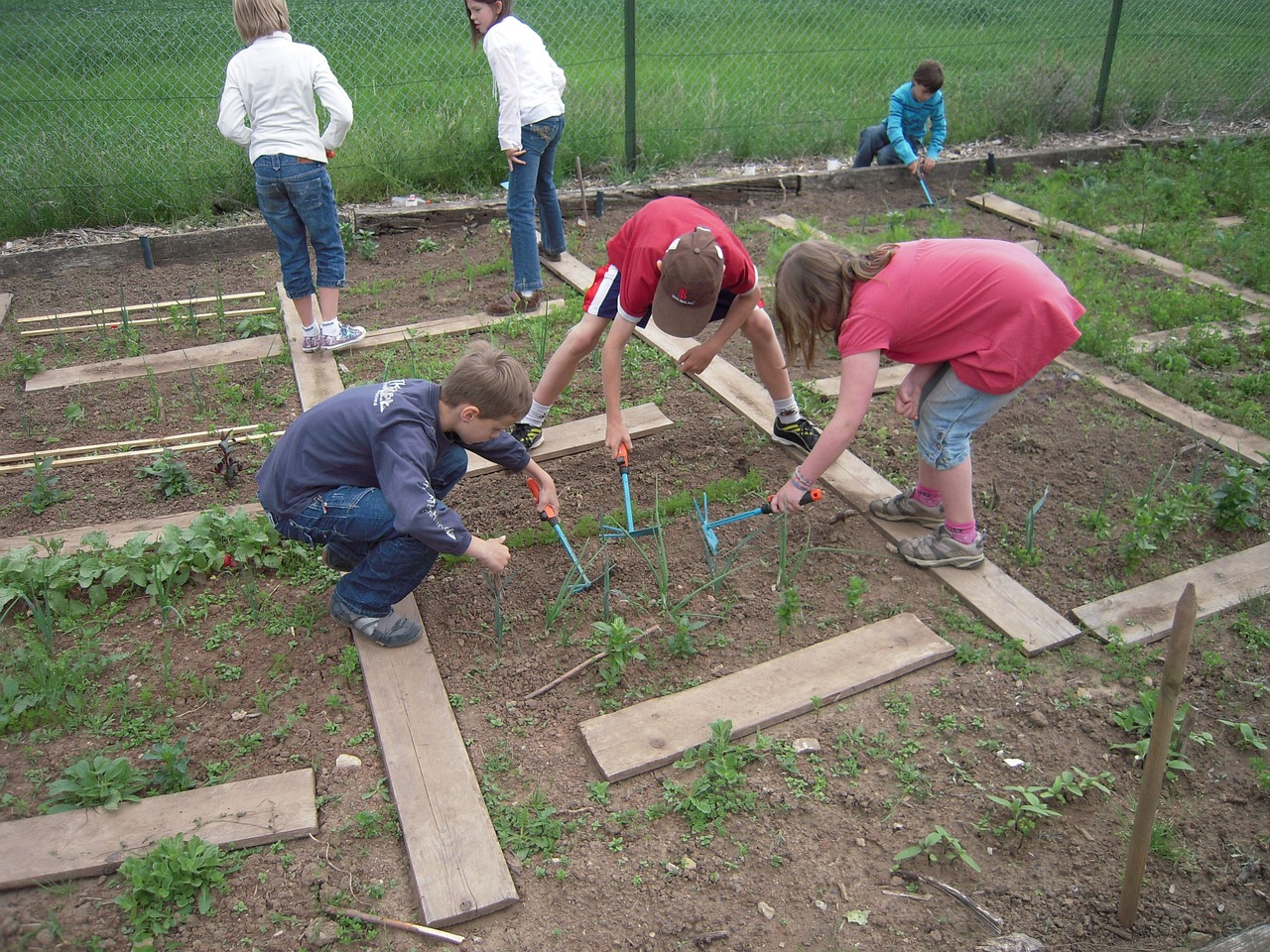
As educators, it is our responsibility to teach our students about the importance of sustainability and environmental conservation. One way to bring these lessons to life is by creating a sustainable garden on campus. Not only does this provide a hands-on learning experience for students, but it also demonstrates our commitment to sustainability to the wider community.Implementing a sustainable garden can seem like a daunting task, but with proper planning and resources, it can be a rewarding and enriching experience for everyone involved. Here are some steps to help you get started on implementing a scholar sustainable garden: 1. Choose the Right LocationSelect a spot on campus that receives ample sunlight and has access to water. Consider the soil quality and drainage in the area before beginning any planting. An ideal location is easily accessible to students and staff, encouraging regular visits and participation. Additionally, consider proximity to classrooms to facilitate easy integration into the curriculum.2. Design the GardenCreate a layout for the garden that includes various elements such as raised beds, compost bins, and a rainwater collection system. Encourage students to participate in the design process and consider their input when making decisions. Designing pathways, seating areas, and educational signage can enhance the learning experience and make the garden a welcoming space for the school community.- Raised Beds: These are ideal for controlling soil quality and making gardening accessible to all students, including those with mobility issues.- Compost Bins: Teaching students about composting helps them understand the recycling of organic waste and soil enrichment.- Rainwater Collection: Utilizing rainwater for irrigation promotes water conservation and demonstrates practical sustainable practices.3. Select Sustainable PlantsChoose native plants that are well-suited to the local climate and require minimal water and maintenance. Planting a variety of fruits, vegetables, and herbs can provide a diverse learning experience for students. Consider perennial plants that return each year, reducing the need for replanting and providing long-term benefits.- Native Plants: These support local wildlife and are adapted to local growing conditions.- Edible Plants: Growing fruits, vegetables, and herbs can teach students about food production and nutrition.- Pollinator-Friendly Plants: Attract bees, butterflies, and other pollinators to support biodiversity.4. Implement Sustainable PracticesTeach students about the importance of composting, mulching, and using organic fertilizers to maintain a healthy garden ecosystem. Encourage them to participate in regular maintenance tasks such as weeding, watering, and harvesting. Sustainable gardening practices reduce the environmental impact and create a resilient garden.- Composting: Reduces waste and enriches the soil.- Mulching: Conserves moisture, suppresses weeds, and improves soil health.- Organic Fertilizers: Avoids the use of chemical fertilizers, promoting a healthier garden ecosystem. 5. Integrate the Garden into the CurriculumIncorporate the garden into various subjects to create an interdisciplinary learning experience. Science classes can study plant biology and ecosystems, math classes can calculate growth rates and garden layouts, and art classes can create garden-related projects. This integration makes learning more engaging and relevant.6. Educate the CommunityUse the garden as a platform to educate the wider community about sustainability and environmental conservation. Host workshops, tours, and events to showcase the benefits of sustainable gardening practices. Engage parents, local organizations, and community members to build support and share knowledge.- Workshops: Offer sessions on topics like composting, organic gardening, and water conservation.- Tours: Invite community members to explore the garden and learn about its features.- Events: Host garden parties, harvest festivals, and planting days to foster community involvement.7. Foster Stewardship and ResponsibilityEmpower students to take ownership of the garden by assigning specific tasks and roles. Create a garden club or committee where students can plan activities, track progress, and celebrate achievements. This responsibility helps students develop a sense of pride and commitment to their environment.ConclusionBy implementing a scholar sustainable garden on campus, we can provide students with a valuable learning experience that will inspire them to become responsible stewards of the environment. The garden serves as a living classroom, fostering a deeper understanding of ecological principles and sustainability practices. Together, we can create a greener and more sustainable future for generations to come.Implementing a scholar sustainable garden is more than just a project; it's a commitment to education, community, and the environment. Let's cultivate curiosity, knowledge, and respect for nature in our students, ensuring they carry these values into the future. Happy gardening!
More detailsPublished - Tue, 21 May 2024
Search
Popular categories
Ecology and Sustainability
9Healthy Nutrition
2Latest blogs

Cut the Junk: Eliminating Unnecessary Foods for Better Health
Fri, 31 May 2024

Nourish Your Brain: Enhancing Memory Through Healthy Nutrition
Thu, 23 May 2024
Sow to Grow: Implementing a Scholar Sustainable Garden
Tue, 21 May 2024
Write a public review