Latest blogs

Created by - Eduard Bes
Cut the Junk: Eliminating Unnecessary Foods for Better Health
Are you tired of feeling sluggish and worn out all the time? Do you find yourself struggling to maintain a healthy weight despite your best efforts? It may be time to take a closer look at your diet and cut out the junk.In today's society, we are bombarded with unhealthy food options at every turn. Fast food joints, convenience stores, and vending machines offer up sugary snacks, greasy burgers, and processed foods that are loaded with empty calories and harmful ingredients. These foods may be convenient, but they are wreaking havoc on our bodies and leading to a whole host of health issues.The Hidden Dangers of Unnecessary FoodsUnnecessary foods are those that provide little to no nutritional value. They are often high in sugars, unhealthy fats, and refined grains, contributing to a range of health problems from obesity to heart disease. Common culprits include:- Sugary Drinks: Sodas, energy drinks, and even some fruit juices are packed with added sugars that spike your blood sugar levels and lead to weight gain.- Fast Food: Burgers, fries, and other fast food items are typically high in unhealthy fats, sodium, and calories, while being low in essential nutrients.- Processed Snacks: Chips, cookies, and other packaged snacks are often loaded with preservatives, artificial flavors, and trans fats.- Refined Grains: White bread, pasta, and pastries are stripped of their natural nutrients and fiber, leaving you with empty calories that can lead to weight gain and digestive issues.The Benefits of Cutting Out JunkEliminating these unnecessary foods from your diet can have a profound impact on your health and well-being. Here are some benefits you can expect:1. Increased Energy Levels: Whole, nutrient-dense foods provide a steady source of energy throughout the day, preventing the energy crashes that come from sugary snacks and drinks.2. Weight Management: By focusing on foods that are high in nutrients and low in empty calories, you can more easily maintain a healthy weight.3. Improved Digestion: Foods rich in fiber, such as fruits, vegetables, and whole grains, support a healthy digestive system and prevent issues like bloating and constipation.4. Stronger Immune System: A diet rich in vitamins, minerals, and antioxidants can strengthen your immune system, helping you fight off illnesses and infections.5. Better Mood and Mental Clarity: Nutrient-dense foods support brain health and can improve your mood, concentration, and overall mental clarity.Making the Switch to Whole, Nutrient-Dense FoodsIf you want to feel your best and achieve optimal health, it's time to start eliminating unnecessary foods from your diet. Instead of reaching for sugary drinks and processed snacks, focus on incorporating more of these nutrient-dense foods into your meals:- Fruits and Vegetables: Fresh, frozen, or canned (without added sugars or salt) fruits and vegetables are packed with vitamins, minerals, and fiber.- Lean Proteins: Choose lean meats, poultry, fish, beans, and legumes for high-quality protein sources.- Whole Grains: Opt for whole grains like brown rice, quinoa, whole wheat, and oats, which provide more nutrients and fiber than their refined counterparts.- Healthy Fats: Include sources of healthy fats such as avocados, nuts, seeds, and olive oil, which support heart health and overall well-being.Simple Steps to Get StartedMaking these changes doesn't have to be overwhelming. Start by:1. Reading Labels: Pay attention to the ingredients and nutritional information on food packages to avoid added sugars, unhealthy fats, and artificial additives.2. Planning Meals: Plan your meals and snacks around whole, nutrient-dense foods to ensure you're getting a balanced diet.3. Cooking at Home: Prepare meals at home using fresh ingredients to have better control over what goes into your food.4. Staying Hydrated: Drink plenty of water throughout the day to stay hydrated and avoid sugary beverages.By making these simple changes to your diet, you can improve your energy levels, boost your immune system, and support your overall health and well-being. Say goodbye to feeling bloated and lethargic, and hello to feeling vibrant and alive. Your body will thank you for it!
More detailsPublished - Fri, 31 May 2024

Created by - Eduard Bes
Nourish Your Brain: Enhancing Memory Through Healthy Nutrition
In today's fast-paced world, maintaining a sharp memory is more important than ever. Whether you're a student aiming for academic excellence, a professional striving for career success, or a senior looking to preserve cognitive function, enhancing your memory can significantly impact your quality of life. While there are various ways to boost brain power, one of the most effective and sustainable methods is through healthy nutrition. Let's explore how nourishing your brain with the right foods can enhance your memory and overall cognitive function.The Brain-Nutrition ConnectionOur brains are incredibly complex organs, relying on a constant supply of nutrients to function optimally. The food we consume directly affects the structure and function of our brain, influencing everything from memory and mood to concentration and alertness. Here's a closer look at how specific nutrients play a crucial role in enhancing memory:Essential Nutrients for Memory Enhancement1. Omega-3 Fatty Acids: Omega-3 fatty acids, found in fatty fish like salmon, mackerel, and sardines, are crucial for brain health. These healthy fats help build cell membranes in the brain and reduce inflammation, which can improve memory and cognitive function. Plant-based sources include flaxseeds, chia seeds, and walnuts.2. Antioxidants:Antioxidants protect the brain from oxidative stress, which can damage brain cells. Berries, such as blueberries, strawberries, and blackberries, are rich in antioxidants like flavonoids that have been shown to improve memory. Dark chocolate, nuts, and green leafy vegetables are also excellent sources of antioxidants.3. B Vitamins:B vitamins, particularly B6, B9 (folate), and B12, play a vital role in brain health by aiding in the production of neurotransmitters and reducing homocysteine levels, which are linked to cognitive decline. Foods rich in B vitamins include eggs, dairy products, leafy greens, beans, and fortified cereals.4. Vitamin E:Vitamin E, a powerful antioxidant, helps protect brain cells from damage. Nuts and seeds, especially almonds, sunflower seeds, and hazelnuts, are excellent sources of vitamin E. Incorporating these into your diet can help maintain cognitive function as you age.5. Choline:Choline is essential for the production of acetylcholine, a neurotransmitter involved in memory and learning. Eggs are one of the best sources of choline, but you can also find it in liver, soybeans, and cruciferous vegetables like broccoli and Brussels sprouts.6. Polyphenols:Polyphenols, found in foods like tea, coffee, red wine, and dark chocolate, have been shown to enhance cognitive function. These compounds improve blood flow to the brain and promote the growth of new neurons, supporting memory and learning.Building a Brain-Boosting DietCreating a diet that supports memory and cognitive function doesn't have to be complicated. Here are some tips to get you started:- Include a Variety of Fruits and Vegetables:Aim for a colorful array of fruits and vegetables to ensure you get a wide range of antioxidants and other brain-boosting nutrients. Berries, citrus fruits, leafy greens, and cruciferous vegetables are particularly beneficial.- Choose Healthy Fats:Incorporate sources of omega-3 fatty acids and other healthy fats into your diet. In addition to fatty fish, consider adding avocados, nuts, seeds, and olive oil.- Opt for Whole Grains:Whole grains like oats, brown rice, quinoa, and whole wheat provide a steady supply of glucose, the brain's primary energy source. These complex carbohydrates also contain fiber, which supports overall health.- Stay Hydrated:Dehydration can impair cognitive function and memory. Make sure to drink plenty of water throughout the day and include hydrating foods like cucumbers, watermelon, and oranges in your diet.- Limit Processed Foods:Processed foods often contain unhealthy fats, sugars, and additives that can negatively affect brain health. Focus on whole, unprocessed foods to nourish your brain effectively.Lifestyle FactorsWhile nutrition plays a significant role in brain health, it's essential to consider other lifestyle factors that can enhance memory:- Regular Exercise:Physical activity increases blood flow to the brain and promotes the growth of new brain cells. Aim for at least 30 minutes of moderate exercise most days of the week.- Quality Sleep: Sleep is crucial for memory consolidation. Aim for 7-9 hours of quality sleep per night to support cognitive function.- Mental Stimulation:Keep your brain active with challenging activities like puzzles, reading, learning a new skill, or playing musical instruments.- Stress Management:Chronic stress can impair memory and cognitive function. Practice stress-reducing techniques like meditation, yoga, deep breathing exercises, and spending time in nature.ConclusionEnhancing your memory through healthy nutrition is a powerful and sustainable approach to improving cognitive function. By incorporating nutrient-rich foods into your diet and maintaining a balanced lifestyle, you can support your brain's health and boost your memory. Remember, what you eat today can significantly impact your brain health tomorrow. Start nourishing your brain with the right foods, and experience the benefits of a sharper, more vibrant mind.
More detailsPublished - Thu, 23 May 2024
Created by - Eduard Bes
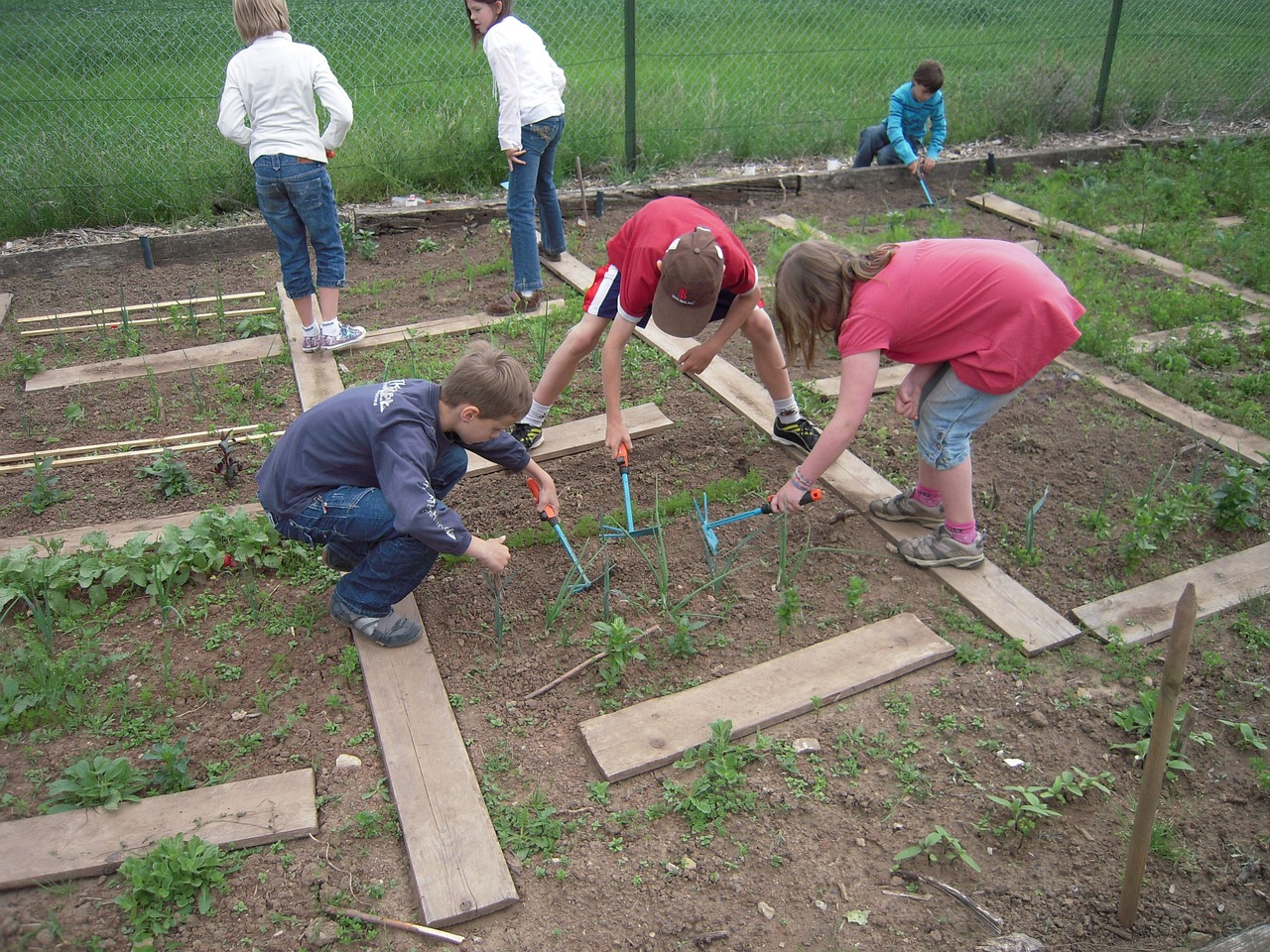
Sow to Grow: Implementing a Scholar Sustainable Garden
As educators, it is our responsibility to teach our students about the importance of sustainability and environmental conservation. One way to bring these lessons to life is by creating a sustainable garden on campus. Not only does this provide a hands-on learning experience for students, but it also demonstrates our commitment to sustainability to the wider community.Implementing a sustainable garden can seem like a daunting task, but with proper planning and resources, it can be a rewarding and enriching experience for everyone involved. Here are some steps to help you get started on implementing a scholar sustainable garden: 1. Choose the Right LocationSelect a spot on campus that receives ample sunlight and has access to water. Consider the soil quality and drainage in the area before beginning any planting. An ideal location is easily accessible to students and staff, encouraging regular visits and participation. Additionally, consider proximity to classrooms to facilitate easy integration into the curriculum.2. Design the GardenCreate a layout for the garden that includes various elements such as raised beds, compost bins, and a rainwater collection system. Encourage students to participate in the design process and consider their input when making decisions. Designing pathways, seating areas, and educational signage can enhance the learning experience and make the garden a welcoming space for the school community.- Raised Beds: These are ideal for controlling soil quality and making gardening accessible to all students, including those with mobility issues.- Compost Bins: Teaching students about composting helps them understand the recycling of organic waste and soil enrichment.- Rainwater Collection: Utilizing rainwater for irrigation promotes water conservation and demonstrates practical sustainable practices.3. Select Sustainable PlantsChoose native plants that are well-suited to the local climate and require minimal water and maintenance. Planting a variety of fruits, vegetables, and herbs can provide a diverse learning experience for students. Consider perennial plants that return each year, reducing the need for replanting and providing long-term benefits.- Native Plants: These support local wildlife and are adapted to local growing conditions.- Edible Plants: Growing fruits, vegetables, and herbs can teach students about food production and nutrition.- Pollinator-Friendly Plants: Attract bees, butterflies, and other pollinators to support biodiversity.4. Implement Sustainable PracticesTeach students about the importance of composting, mulching, and using organic fertilizers to maintain a healthy garden ecosystem. Encourage them to participate in regular maintenance tasks such as weeding, watering, and harvesting. Sustainable gardening practices reduce the environmental impact and create a resilient garden.- Composting: Reduces waste and enriches the soil.- Mulching: Conserves moisture, suppresses weeds, and improves soil health.- Organic Fertilizers: Avoids the use of chemical fertilizers, promoting a healthier garden ecosystem. 5. Integrate the Garden into the CurriculumIncorporate the garden into various subjects to create an interdisciplinary learning experience. Science classes can study plant biology and ecosystems, math classes can calculate growth rates and garden layouts, and art classes can create garden-related projects. This integration makes learning more engaging and relevant.6. Educate the CommunityUse the garden as a platform to educate the wider community about sustainability and environmental conservation. Host workshops, tours, and events to showcase the benefits of sustainable gardening practices. Engage parents, local organizations, and community members to build support and share knowledge.- Workshops: Offer sessions on topics like composting, organic gardening, and water conservation.- Tours: Invite community members to explore the garden and learn about its features.- Events: Host garden parties, harvest festivals, and planting days to foster community involvement.7. Foster Stewardship and ResponsibilityEmpower students to take ownership of the garden by assigning specific tasks and roles. Create a garden club or committee where students can plan activities, track progress, and celebrate achievements. This responsibility helps students develop a sense of pride and commitment to their environment.ConclusionBy implementing a scholar sustainable garden on campus, we can provide students with a valuable learning experience that will inspire them to become responsible stewards of the environment. The garden serves as a living classroom, fostering a deeper understanding of ecological principles and sustainability practices. Together, we can create a greener and more sustainable future for generations to come.Implementing a scholar sustainable garden is more than just a project; it's a commitment to education, community, and the environment. Let's cultivate curiosity, knowledge, and respect for nature in our students, ensuring they carry these values into the future. Happy gardening!
More detailsPublished - Tue, 21 May 2024

Created by - Eduard Bes
Optimizing Oxygenation: The Art of Introducing Air into Hydroponic Crops
In the world of hydroponic farming, one of the key factors that can make or break the success of your crops is oxygenation. While it may seem basic, ensuring that your plants are receiving adequate levels of oxygen is crucial for their growth and overall health. In this post, we will delve into the importance of oxygenation in hydroponic systems and provide some tips on how to optimize this critical element for your crops.Why is Oxygenation Important?Plants require oxygen for a variety of vital processes, including respiration, nutrient uptake, and root health. In traditional soil-based cultivation, oxygen is naturally present in the soil and readily available to plant roots. However, in hydroponic systems where plants are grown in water without soil, oxygen must be introduced artificially to ensure optimal growth.Insufficient oxygen levels in hydroponic systems can lead to a host of problems, including root rot, stunted growth, and nutrient deficiencies. Proper oxygenation is essential for maintaining a healthy root system, promoting nutrient absorption, and ultimately maximizing crop yields.Tips for Optimizing Oxygenation in Hydroponic Crops1. Use Aeration EquipmentAeration pumps and air stones are essential tools for introducing oxygen into your hydroponic system. These devices help to oxygenate the water and ensure that plant roots have access to the oxygen they need to thrive. By producing bubbles, air stones increase the water's surface area, enhancing gas exchange and ensuring a constant supply of oxygen to the roots.2. Maintain Proper Water LevelsIt is important to monitor and adjust the water level in your hydroponic system to prevent waterlogging and ensure adequate oxygenation. Make sure that roots are not submerged for extended periods, as this can lead to oxygen deprivation and root rot. Keeping a portion of the root system exposed to air can also enhance oxygen uptake.3. Choose the Right Growing MediumSome growing mediums, such as perlite and hydroton, have better oxygenation properties than others. Consider using a lightweight, porous medium that allows for ample oxygen exchange with the roots. These mediums provide better aeration and drainage, reducing the risk of waterlogging and promoting healthy root development.4. Monitor Oxygen LevelsInvest in a dissolved oxygen meter to regularly measure oxygen levels in your hydroponic system. This will help you identify any potential oxygen deficiencies early on and make necessary adjustments to optimize oxygenation. Aim for dissolved oxygen levels of around 5-8 ppm (parts per million) to ensure optimal conditions for your crops.5. Implement Proper Water CirculationProper water circulation is key to ensuring uniform oxygen distribution throughout your hydroponic system. Consider using circulation pumps or incorporating a recirculating system to maintain optimal oxygen levels for your crops. Good water movement prevents stagnation, reduces the buildup of pathogens, and ensures that oxygen is evenly distributed.6. Temperature ControlWater temperature plays a significant role in oxygen solubility. Cooler water can hold more dissolved oxygen than warmer water. Aim to keep the water temperature between 65-75°F (18-24°C) to optimize oxygen levels. Use water chillers if necessary, especially in warmer climates or during the summer months, to maintain ideal temperatures.7. Regular Maintenance and CleaningKeeping your hydroponic system clean is crucial for maintaining optimal oxygenation. Regularly clean and maintain pumps, air stones, and other equipment to prevent blockages and ensure efficient operation. Remove any dead or decaying plant material promptly, as decomposition can deplete oxygen levels in the water.ConclusionBy paying attention to oxygenation and implementing these tips, you can create an optimal growing environment for your hydroponic crops and maximize their growth potential. Remember, oxygen is essential for plant health, so do not overlook this critical element in your hydroponic farming endeavors. A well-oxygenated hydroponic system not only supports robust plant growth but also enhances nutrient uptake and overall crop productivity.Incorporate these strategies into your hydroponic practices to ensure that your plants receive the oxygen they need to thrive. Happy farming!
More detailsPublished - Tue, 21 May 2024
Created by - Eduard Bes
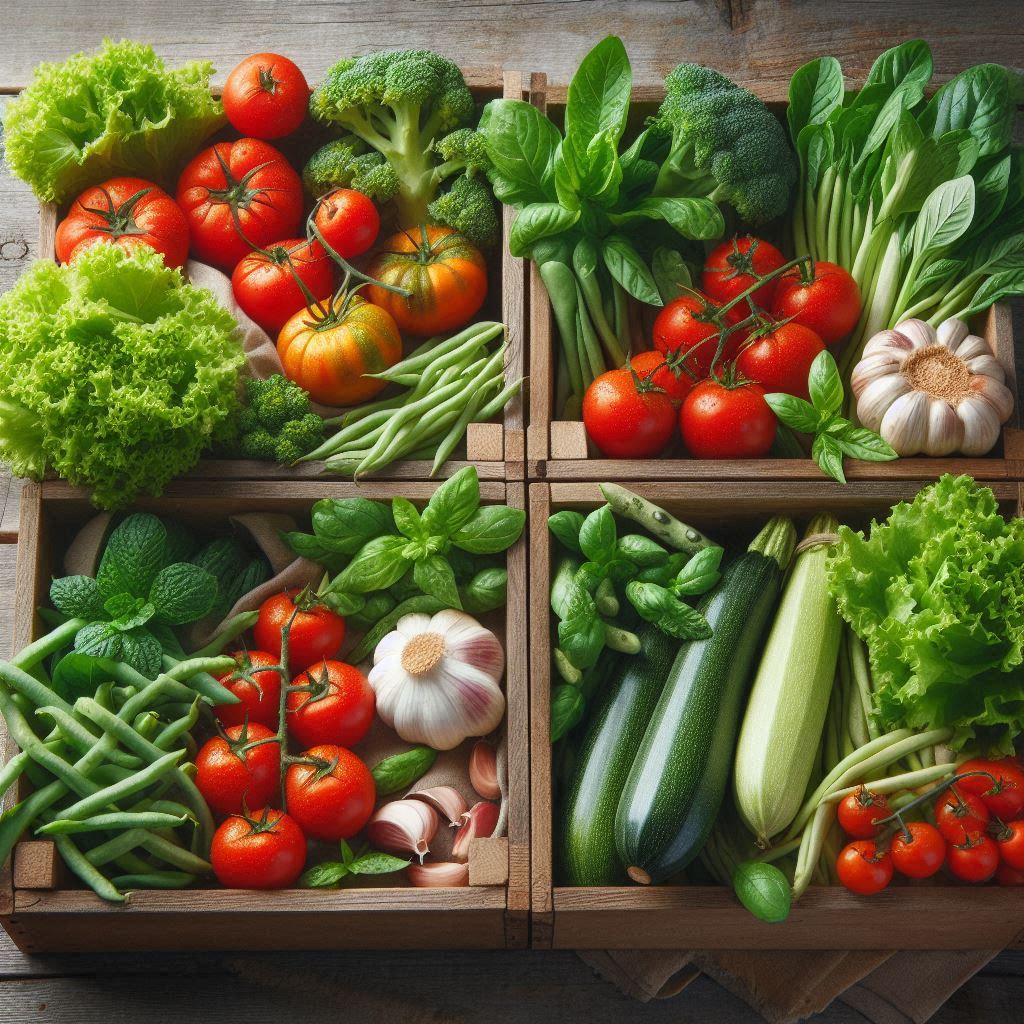
Basic crops for a sustainable garden
When it comes to creating a sustainable garden, choosing the right crops is essential. Not only do you want to ensure a bountiful harvest, but you also want to promote a healthy environment for your plants to thrive in. In this post, we will discuss some of the basic crops that are perfect for a sustainable garden, focusing on their benefits for both the gardener and the ecosystem.1. TomatoesTomatoes are a staple in many gardens and for good reason. They are versatile, easy to grow, and packed with nutrients like vitamins A and C, potassium, and antioxidants. To ensure a successful harvest, opt for heirloom varieties that are resistant to common pests and diseases. Heirloom tomatoes often have superior flavor and are more genetically diverse, which can be beneficial for the garden ecosystem.Tomatoes also do well when planted alongside basil, which acts as a natural pesticide by repelling pests like aphids, mosquitoes, and tomato hornworms. This companion planting not only protects the tomatoes but also enhances their flavor. 2. LettuceLettuce is a great crop for beginners as it is low-maintenance and quick to grow. It is also a versatile crop that can be grown in containers or directly in the ground. Lettuce thrives in cooler weather, making it ideal for spring and fall gardening. To ensure a continuous harvest, plant new seeds every few weeks to avoid a glut of lettuce all at once.Lettuce varieties include leaf, romaine, and butterhead, each offering different textures and flavors. By mixing these varieties, you can create a diverse and visually appealing salad garden. Lettuce also requires minimal inputs, making it an environmentally friendly choice.3. BeansBeans are a great choice for a sustainable garden as they add nitrogen to the soil, reducing the need for synthetic fertilizers. This natural nitrogen fixation occurs through a symbiotic relationship with Rhizobium bacteria in the soil. Beans are also a great source of protein and fiber, making them a nutritious addition to your diet.To maximize your harvest, consider planting pole beans, which take up less space and produce a higher yield compared to bush varieties. Pole beans can be grown vertically, saving valuable garden space and improving air circulation around the plants, which can reduce disease pressure. Beans are also beneficial for crop rotation, helping to replenish soil fertility for future plantings.4. HerbsHerbs are a must-have in any sustainable garden. They not only add flavor to your dishes but also attract beneficial insects like bees and butterflies, which are crucial for pollination. Some herbs, such as basil and parsley, can also repel pests like aphids and spider mites.Easy-to-grow herbs include basil, parsley, mint, and chives. These herbs thrive in well-drained soil and require plenty of sunlight for a successful harvest. Mint, however, can be invasive, so it's best grown in containers to prevent it from spreading uncontrollably. Fresh herbs can be harvested as needed, providing a continuous supply of fresh ingredients for your kitchen.5. ZucchiniZucchini is a prolific crop that thrives in most garden environments. It is a great source of vitamins and minerals, including vitamin C, vitamin A, and potassium, and can be used in a variety of dishes, from stir-fries to baked goods. Zucchini plants are also known for their high yield, often producing more fruit than a single household can consume.To prevent overcrowding, plant zucchini in hills and provide them with ample space to spread out. Regular harvesting will encourage more fruit production and prevent the plants from becoming overgrown. Zucchini also has large leaves that provide ground cover, helping to suppress weeds and retain soil moisture.ConclusionBy incorporating these basic crops into your garden, you can create a sustainable and thriving ecosystem that benefits both you and the environment. Each of these crops offers unique advantages, from improving soil health to attracting beneficial insects, and can help you reduce your reliance on synthetic inputs. A well-planned sustainable garden not only yields nutritious food but also supports biodiversity and promotes ecological balance.Happy gardening! May your sustainable garden flourish and bring you abundant harvests and joy.
More detailsPublished - Tue, 21 May 2024

Created by - Eduard Bes
Optimizing Soil Health: Discovering the Crops with Minimal Depletion
Welcome to our course blog post on “Optimizing Soil Health: Discovering the Crops with Minimal Depletion.” In this post, we will explore the importance of soil health and how choosing the right crops can help minimize depletion of nutrients from the soil.Importance of Soil HealthSoil health is essential for sustainable agriculture as it directly impacts crop productivity and the overall health of our ecosystems. Healthy soil provides a stable base for plant growth, improves nutrient availability, and enhances water retention. It also supports biodiversity, helps in carbon sequestration, and plays a vital role in water filtration, thus maintaining the balance of our natural environment.Impact of Nutrient DepletionWhen soil nutrients are depleted, plants suffer from poor growth, reduced yields, and increased susceptibility to diseases and pests. Nutrient depletion also affects soil structure, leading to issues like compaction and erosion, which further degrade soil health. This creates a vicious cycle where poor soil health leads to lower agricultural productivity and increased dependency on chemical inputs, which can harm the environment.Choosing Crops with Minimal Nutrient DepletionOne way to optimize soil health is by choosing crops that have minimal nutrient depletion. Some crops, such as legumes, are known for their ability to improve soil fertility through nitrogen fixation. Legumes, including beans, peas, and lentils, have a symbiotic relationship with nitrogen-fixing bacteria in their roots, which allows them to convert atmospheric nitrogen into a form that plants can use. By planting legumes in rotation with other crops, farmers can reduce the need for synthetic fertilizers and improve soil health over time.Benefits of Crop Rotation and DiversificationAnother way to minimize depletion of nutrients from the soil is by diversifying crop rotations. Planting a variety of crops with different nutrient requirements can help prevent the depletion of specific nutrients in the soil. For example, rotating nitrogen-fixing crops like legumes with nutrient-demanding crops like corn can help maintain a balanced nutrient profile in the soil. Additionally, incorporating deep-rooted crops like radishes and sunflowers can help bring nutrients from deeper soil layers to the surface, making them available for other plants.Sustainable Farming TechniquesIn addition to choosing the right crops, practicing sustainable farming techniques can significantly enhance soil health. Some of these techniques include:- Conservation Tillage. Conservation tillage reduces soil erosion, improves water infiltration, and promotes soil microbial activity. By minimizing soil disturbance, conservation tillage helps maintain soil structure and organic matter content, which are crucial for healthy soil.- Cover Cropping. Cover cropping involves growing crops such as clover, rye, or vetch during the off-season when main crops are not being cultivated. Cover crops protect the soil from erosion, add organic matter, and enhance nutrient cycling. They can also suppress weeds, reduce pest pressure, and improve soil moisture retention.- Crop Rotation. Crop rotation involves alternating the types of crops grown in a particular field from one season to the next. This practice helps break pest and disease cycles, improve soil structure, and maintain soil fertility. For example, rotating crops like corn, soybeans, and wheat can help manage pests and diseases specific to each crop, while also balancing nutrient demands.- Additional Practices to Enhance Soil Health. Farmers can also implement other practices to boost soil health, such as:. Composting: Adding compost to soil improves its organic matter content and provides a slow-release source of nutrients.. Agroforestry: Integrating trees and shrubs into agricultural landscapes can enhance biodiversity, improve water management, and sequester carbon.. Integrated Pest Management (IPM): Using IPM strategies helps reduce reliance on chemical pesticides, promoting a more balanced ecosystem.ConclusionIn conclusion, optimizing soil health is crucial for sustainable agriculture, and choosing crops with minimal depletion of nutrients is one way to achieve this goal. By selecting crops that improve soil fertility, diversifying crop rotations, and practicing sustainable farming techniques, farmers can help preserve soil health for future generations. Healthy soil is the foundation of a resilient agricultural system that can sustain productive crops, support biodiversity, and protect the environment.Thank you for reading our course blog post on “Optimizing Soil Health: Discovering the Crops with Minimal Depletion.” We hope you have gained valuable insights into the importance of soil health in agriculture and are inspired to implement these practices in your own farming endeavors. Together, we can create a sustainable future for agriculture.
More detailsPublished - Tue, 21 May 2024
Popular blogs
Created by - Eduard Bes
Cut the Junk: Eliminating Unnecessary Foods for Better Health
Are you tired of feeling sluggish and worn out all the time? Do you find yourself struggling to maintain a healthy weight despite your best efforts? It may be time to take a closer look at your diet and cut out the junk.In today's society, we are bombarded with unhealthy food options at every turn. Fast food joints, convenience stores, and vending machines offer up sugary snacks, greasy burgers, and processed foods that are loaded with empty calories and harmful ingredients. These foods may be convenient, but they are wreaking havoc on our bodies and leading to a whole host of health issues.The Hidden Dangers of Unnecessary FoodsUnnecessary foods are those that provide little to no nutritional value. They are often high in sugars, unhealthy fats, and refined grains, contributing to a range of health problems from obesity to heart disease. Common culprits include:- Sugary Drinks: Sodas, energy drinks, and even some fruit juices are packed with added sugars that spike your blood sugar levels and lead to weight gain.- Fast Food: Burgers, fries, and other fast food items are typically high in unhealthy fats, sodium, and calories, while being low in essential nutrients.- Processed Snacks: Chips, cookies, and other packaged snacks are often loaded with preservatives, artificial flavors, and trans fats.- Refined Grains: White bread, pasta, and pastries are stripped of their natural nutrients and fiber, leaving you with empty calories that can lead to weight gain and digestive issues.The Benefits of Cutting Out JunkEliminating these unnecessary foods from your diet can have a profound impact on your health and well-being. Here are some benefits you can expect:1. Increased Energy Levels: Whole, nutrient-dense foods provide a steady source of energy throughout the day, preventing the energy crashes that come from sugary snacks and drinks.2. Weight Management: By focusing on foods that are high in nutrients and low in empty calories, you can more easily maintain a healthy weight.3. Improved Digestion: Foods rich in fiber, such as fruits, vegetables, and whole grains, support a healthy digestive system and prevent issues like bloating and constipation.4. Stronger Immune System: A diet rich in vitamins, minerals, and antioxidants can strengthen your immune system, helping you fight off illnesses and infections.5. Better Mood and Mental Clarity: Nutrient-dense foods support brain health and can improve your mood, concentration, and overall mental clarity.Making the Switch to Whole, Nutrient-Dense FoodsIf you want to feel your best and achieve optimal health, it's time to start eliminating unnecessary foods from your diet. Instead of reaching for sugary drinks and processed snacks, focus on incorporating more of these nutrient-dense foods into your meals:- Fruits and Vegetables: Fresh, frozen, or canned (without added sugars or salt) fruits and vegetables are packed with vitamins, minerals, and fiber.- Lean Proteins: Choose lean meats, poultry, fish, beans, and legumes for high-quality protein sources.- Whole Grains: Opt for whole grains like brown rice, quinoa, whole wheat, and oats, which provide more nutrients and fiber than their refined counterparts.- Healthy Fats: Include sources of healthy fats such as avocados, nuts, seeds, and olive oil, which support heart health and overall well-being.Simple Steps to Get StartedMaking these changes doesn't have to be overwhelming. Start by:1. Reading Labels: Pay attention to the ingredients and nutritional information on food packages to avoid added sugars, unhealthy fats, and artificial additives.2. Planning Meals: Plan your meals and snacks around whole, nutrient-dense foods to ensure you're getting a balanced diet.3. Cooking at Home: Prepare meals at home using fresh ingredients to have better control over what goes into your food.4. Staying Hydrated: Drink plenty of water throughout the day to stay hydrated and avoid sugary beverages.By making these simple changes to your diet, you can improve your energy levels, boost your immune system, and support your overall health and well-being. Say goodbye to feeling bloated and lethargic, and hello to feeling vibrant and alive. Your body will thank you for it!
More detailsPublished - Fri, 31 May 2024
Created by - Eduard Bes
Nourish Your Brain: Enhancing Memory Through Healthy Nutrition
In today's fast-paced world, maintaining a sharp memory is more important than ever. Whether you're a student aiming for academic excellence, a professional striving for career success, or a senior looking to preserve cognitive function, enhancing your memory can significantly impact your quality of life. While there are various ways to boost brain power, one of the most effective and sustainable methods is through healthy nutrition. Let's explore how nourishing your brain with the right foods can enhance your memory and overall cognitive function.The Brain-Nutrition ConnectionOur brains are incredibly complex organs, relying on a constant supply of nutrients to function optimally. The food we consume directly affects the structure and function of our brain, influencing everything from memory and mood to concentration and alertness. Here's a closer look at how specific nutrients play a crucial role in enhancing memory:Essential Nutrients for Memory Enhancement1. Omega-3 Fatty Acids: Omega-3 fatty acids, found in fatty fish like salmon, mackerel, and sardines, are crucial for brain health. These healthy fats help build cell membranes in the brain and reduce inflammation, which can improve memory and cognitive function. Plant-based sources include flaxseeds, chia seeds, and walnuts.2. Antioxidants:Antioxidants protect the brain from oxidative stress, which can damage brain cells. Berries, such as blueberries, strawberries, and blackberries, are rich in antioxidants like flavonoids that have been shown to improve memory. Dark chocolate, nuts, and green leafy vegetables are also excellent sources of antioxidants.3. B Vitamins:B vitamins, particularly B6, B9 (folate), and B12, play a vital role in brain health by aiding in the production of neurotransmitters and reducing homocysteine levels, which are linked to cognitive decline. Foods rich in B vitamins include eggs, dairy products, leafy greens, beans, and fortified cereals.4. Vitamin E:Vitamin E, a powerful antioxidant, helps protect brain cells from damage. Nuts and seeds, especially almonds, sunflower seeds, and hazelnuts, are excellent sources of vitamin E. Incorporating these into your diet can help maintain cognitive function as you age.5. Choline:Choline is essential for the production of acetylcholine, a neurotransmitter involved in memory and learning. Eggs are one of the best sources of choline, but you can also find it in liver, soybeans, and cruciferous vegetables like broccoli and Brussels sprouts.6. Polyphenols:Polyphenols, found in foods like tea, coffee, red wine, and dark chocolate, have been shown to enhance cognitive function. These compounds improve blood flow to the brain and promote the growth of new neurons, supporting memory and learning.Building a Brain-Boosting DietCreating a diet that supports memory and cognitive function doesn't have to be complicated. Here are some tips to get you started:- Include a Variety of Fruits and Vegetables:Aim for a colorful array of fruits and vegetables to ensure you get a wide range of antioxidants and other brain-boosting nutrients. Berries, citrus fruits, leafy greens, and cruciferous vegetables are particularly beneficial.- Choose Healthy Fats:Incorporate sources of omega-3 fatty acids and other healthy fats into your diet. In addition to fatty fish, consider adding avocados, nuts, seeds, and olive oil.- Opt for Whole Grains:Whole grains like oats, brown rice, quinoa, and whole wheat provide a steady supply of glucose, the brain's primary energy source. These complex carbohydrates also contain fiber, which supports overall health.- Stay Hydrated:Dehydration can impair cognitive function and memory. Make sure to drink plenty of water throughout the day and include hydrating foods like cucumbers, watermelon, and oranges in your diet.- Limit Processed Foods:Processed foods often contain unhealthy fats, sugars, and additives that can negatively affect brain health. Focus on whole, unprocessed foods to nourish your brain effectively.Lifestyle FactorsWhile nutrition plays a significant role in brain health, it's essential to consider other lifestyle factors that can enhance memory:- Regular Exercise:Physical activity increases blood flow to the brain and promotes the growth of new brain cells. Aim for at least 30 minutes of moderate exercise most days of the week.- Quality Sleep: Sleep is crucial for memory consolidation. Aim for 7-9 hours of quality sleep per night to support cognitive function.- Mental Stimulation:Keep your brain active with challenging activities like puzzles, reading, learning a new skill, or playing musical instruments.- Stress Management:Chronic stress can impair memory and cognitive function. Practice stress-reducing techniques like meditation, yoga, deep breathing exercises, and spending time in nature.ConclusionEnhancing your memory through healthy nutrition is a powerful and sustainable approach to improving cognitive function. By incorporating nutrient-rich foods into your diet and maintaining a balanced lifestyle, you can support your brain's health and boost your memory. Remember, what you eat today can significantly impact your brain health tomorrow. Start nourishing your brain with the right foods, and experience the benefits of a sharper, more vibrant mind.
More detailsPublished - Thu, 23 May 2024
Created by - Eduard Bes
Sow to Grow: Implementing a Scholar Sustainable Garden
As educators, it is our responsibility to teach our students about the importance of sustainability and environmental conservation. One way to bring these lessons to life is by creating a sustainable garden on campus. Not only does this provide a hands-on learning experience for students, but it also demonstrates our commitment to sustainability to the wider community.Implementing a sustainable garden can seem like a daunting task, but with proper planning and resources, it can be a rewarding and enriching experience for everyone involved. Here are some steps to help you get started on implementing a scholar sustainable garden: 1. Choose the Right LocationSelect a spot on campus that receives ample sunlight and has access to water. Consider the soil quality and drainage in the area before beginning any planting. An ideal location is easily accessible to students and staff, encouraging regular visits and participation. Additionally, consider proximity to classrooms to facilitate easy integration into the curriculum.2. Design the GardenCreate a layout for the garden that includes various elements such as raised beds, compost bins, and a rainwater collection system. Encourage students to participate in the design process and consider their input when making decisions. Designing pathways, seating areas, and educational signage can enhance the learning experience and make the garden a welcoming space for the school community.- Raised Beds: These are ideal for controlling soil quality and making gardening accessible to all students, including those with mobility issues.- Compost Bins: Teaching students about composting helps them understand the recycling of organic waste and soil enrichment.- Rainwater Collection: Utilizing rainwater for irrigation promotes water conservation and demonstrates practical sustainable practices.3. Select Sustainable PlantsChoose native plants that are well-suited to the local climate and require minimal water and maintenance. Planting a variety of fruits, vegetables, and herbs can provide a diverse learning experience for students. Consider perennial plants that return each year, reducing the need for replanting and providing long-term benefits.- Native Plants: These support local wildlife and are adapted to local growing conditions.- Edible Plants: Growing fruits, vegetables, and herbs can teach students about food production and nutrition.- Pollinator-Friendly Plants: Attract bees, butterflies, and other pollinators to support biodiversity.4. Implement Sustainable PracticesTeach students about the importance of composting, mulching, and using organic fertilizers to maintain a healthy garden ecosystem. Encourage them to participate in regular maintenance tasks such as weeding, watering, and harvesting. Sustainable gardening practices reduce the environmental impact and create a resilient garden.- Composting: Reduces waste and enriches the soil.- Mulching: Conserves moisture, suppresses weeds, and improves soil health.- Organic Fertilizers: Avoids the use of chemical fertilizers, promoting a healthier garden ecosystem. 5. Integrate the Garden into the CurriculumIncorporate the garden into various subjects to create an interdisciplinary learning experience. Science classes can study plant biology and ecosystems, math classes can calculate growth rates and garden layouts, and art classes can create garden-related projects. This integration makes learning more engaging and relevant.6. Educate the CommunityUse the garden as a platform to educate the wider community about sustainability and environmental conservation. Host workshops, tours, and events to showcase the benefits of sustainable gardening practices. Engage parents, local organizations, and community members to build support and share knowledge.- Workshops: Offer sessions on topics like composting, organic gardening, and water conservation.- Tours: Invite community members to explore the garden and learn about its features.- Events: Host garden parties, harvest festivals, and planting days to foster community involvement.7. Foster Stewardship and ResponsibilityEmpower students to take ownership of the garden by assigning specific tasks and roles. Create a garden club or committee where students can plan activities, track progress, and celebrate achievements. This responsibility helps students develop a sense of pride and commitment to their environment.ConclusionBy implementing a scholar sustainable garden on campus, we can provide students with a valuable learning experience that will inspire them to become responsible stewards of the environment. The garden serves as a living classroom, fostering a deeper understanding of ecological principles and sustainability practices. Together, we can create a greener and more sustainable future for generations to come.Implementing a scholar sustainable garden is more than just a project; it's a commitment to education, community, and the environment. Let's cultivate curiosity, knowledge, and respect for nature in our students, ensuring they carry these values into the future. Happy gardening!
More detailsPublished - Tue, 21 May 2024
Created by - Eduard Bes
Optimizing Oxygenation: The Art of Introducing Air into Hydroponic Crops
In the world of hydroponic farming, one of the key factors that can make or break the success of your crops is oxygenation. While it may seem basic, ensuring that your plants are receiving adequate levels of oxygen is crucial for their growth and overall health. In this post, we will delve into the importance of oxygenation in hydroponic systems and provide some tips on how to optimize this critical element for your crops.Why is Oxygenation Important?Plants require oxygen for a variety of vital processes, including respiration, nutrient uptake, and root health. In traditional soil-based cultivation, oxygen is naturally present in the soil and readily available to plant roots. However, in hydroponic systems where plants are grown in water without soil, oxygen must be introduced artificially to ensure optimal growth.Insufficient oxygen levels in hydroponic systems can lead to a host of problems, including root rot, stunted growth, and nutrient deficiencies. Proper oxygenation is essential for maintaining a healthy root system, promoting nutrient absorption, and ultimately maximizing crop yields.Tips for Optimizing Oxygenation in Hydroponic Crops1. Use Aeration EquipmentAeration pumps and air stones are essential tools for introducing oxygen into your hydroponic system. These devices help to oxygenate the water and ensure that plant roots have access to the oxygen they need to thrive. By producing bubbles, air stones increase the water's surface area, enhancing gas exchange and ensuring a constant supply of oxygen to the roots.2. Maintain Proper Water LevelsIt is important to monitor and adjust the water level in your hydroponic system to prevent waterlogging and ensure adequate oxygenation. Make sure that roots are not submerged for extended periods, as this can lead to oxygen deprivation and root rot. Keeping a portion of the root system exposed to air can also enhance oxygen uptake.3. Choose the Right Growing MediumSome growing mediums, such as perlite and hydroton, have better oxygenation properties than others. Consider using a lightweight, porous medium that allows for ample oxygen exchange with the roots. These mediums provide better aeration and drainage, reducing the risk of waterlogging and promoting healthy root development.4. Monitor Oxygen LevelsInvest in a dissolved oxygen meter to regularly measure oxygen levels in your hydroponic system. This will help you identify any potential oxygen deficiencies early on and make necessary adjustments to optimize oxygenation. Aim for dissolved oxygen levels of around 5-8 ppm (parts per million) to ensure optimal conditions for your crops.5. Implement Proper Water CirculationProper water circulation is key to ensuring uniform oxygen distribution throughout your hydroponic system. Consider using circulation pumps or incorporating a recirculating system to maintain optimal oxygen levels for your crops. Good water movement prevents stagnation, reduces the buildup of pathogens, and ensures that oxygen is evenly distributed.6. Temperature ControlWater temperature plays a significant role in oxygen solubility. Cooler water can hold more dissolved oxygen than warmer water. Aim to keep the water temperature between 65-75°F (18-24°C) to optimize oxygen levels. Use water chillers if necessary, especially in warmer climates or during the summer months, to maintain ideal temperatures.7. Regular Maintenance and CleaningKeeping your hydroponic system clean is crucial for maintaining optimal oxygenation. Regularly clean and maintain pumps, air stones, and other equipment to prevent blockages and ensure efficient operation. Remove any dead or decaying plant material promptly, as decomposition can deplete oxygen levels in the water.ConclusionBy paying attention to oxygenation and implementing these tips, you can create an optimal growing environment for your hydroponic crops and maximize their growth potential. Remember, oxygen is essential for plant health, so do not overlook this critical element in your hydroponic farming endeavors. A well-oxygenated hydroponic system not only supports robust plant growth but also enhances nutrient uptake and overall crop productivity.Incorporate these strategies into your hydroponic practices to ensure that your plants receive the oxygen they need to thrive. Happy farming!
More detailsPublished - Tue, 21 May 2024
Created by - Eduard Bes
Basic crops for a sustainable garden
When it comes to creating a sustainable garden, choosing the right crops is essential. Not only do you want to ensure a bountiful harvest, but you also want to promote a healthy environment for your plants to thrive in. In this post, we will discuss some of the basic crops that are perfect for a sustainable garden, focusing on their benefits for both the gardener and the ecosystem.1. TomatoesTomatoes are a staple in many gardens and for good reason. They are versatile, easy to grow, and packed with nutrients like vitamins A and C, potassium, and antioxidants. To ensure a successful harvest, opt for heirloom varieties that are resistant to common pests and diseases. Heirloom tomatoes often have superior flavor and are more genetically diverse, which can be beneficial for the garden ecosystem.Tomatoes also do well when planted alongside basil, which acts as a natural pesticide by repelling pests like aphids, mosquitoes, and tomato hornworms. This companion planting not only protects the tomatoes but also enhances their flavor. 2. LettuceLettuce is a great crop for beginners as it is low-maintenance and quick to grow. It is also a versatile crop that can be grown in containers or directly in the ground. Lettuce thrives in cooler weather, making it ideal for spring and fall gardening. To ensure a continuous harvest, plant new seeds every few weeks to avoid a glut of lettuce all at once.Lettuce varieties include leaf, romaine, and butterhead, each offering different textures and flavors. By mixing these varieties, you can create a diverse and visually appealing salad garden. Lettuce also requires minimal inputs, making it an environmentally friendly choice.3. BeansBeans are a great choice for a sustainable garden as they add nitrogen to the soil, reducing the need for synthetic fertilizers. This natural nitrogen fixation occurs through a symbiotic relationship with Rhizobium bacteria in the soil. Beans are also a great source of protein and fiber, making them a nutritious addition to your diet.To maximize your harvest, consider planting pole beans, which take up less space and produce a higher yield compared to bush varieties. Pole beans can be grown vertically, saving valuable garden space and improving air circulation around the plants, which can reduce disease pressure. Beans are also beneficial for crop rotation, helping to replenish soil fertility for future plantings.4. HerbsHerbs are a must-have in any sustainable garden. They not only add flavor to your dishes but also attract beneficial insects like bees and butterflies, which are crucial for pollination. Some herbs, such as basil and parsley, can also repel pests like aphids and spider mites.Easy-to-grow herbs include basil, parsley, mint, and chives. These herbs thrive in well-drained soil and require plenty of sunlight for a successful harvest. Mint, however, can be invasive, so it's best grown in containers to prevent it from spreading uncontrollably. Fresh herbs can be harvested as needed, providing a continuous supply of fresh ingredients for your kitchen.5. ZucchiniZucchini is a prolific crop that thrives in most garden environments. It is a great source of vitamins and minerals, including vitamin C, vitamin A, and potassium, and can be used in a variety of dishes, from stir-fries to baked goods. Zucchini plants are also known for their high yield, often producing more fruit than a single household can consume.To prevent overcrowding, plant zucchini in hills and provide them with ample space to spread out. Regular harvesting will encourage more fruit production and prevent the plants from becoming overgrown. Zucchini also has large leaves that provide ground cover, helping to suppress weeds and retain soil moisture.ConclusionBy incorporating these basic crops into your garden, you can create a sustainable and thriving ecosystem that benefits both you and the environment. Each of these crops offers unique advantages, from improving soil health to attracting beneficial insects, and can help you reduce your reliance on synthetic inputs. A well-planned sustainable garden not only yields nutritious food but also supports biodiversity and promotes ecological balance.Happy gardening! May your sustainable garden flourish and bring you abundant harvests and joy.
More detailsPublished - Tue, 21 May 2024
Created by - Eduard Bes
Optimizing Soil Health: Discovering the Crops with Minimal Depletion
Welcome to our course blog post on “Optimizing Soil Health: Discovering the Crops with Minimal Depletion.” In this post, we will explore the importance of soil health and how choosing the right crops can help minimize depletion of nutrients from the soil.Importance of Soil HealthSoil health is essential for sustainable agriculture as it directly impacts crop productivity and the overall health of our ecosystems. Healthy soil provides a stable base for plant growth, improves nutrient availability, and enhances water retention. It also supports biodiversity, helps in carbon sequestration, and plays a vital role in water filtration, thus maintaining the balance of our natural environment.Impact of Nutrient DepletionWhen soil nutrients are depleted, plants suffer from poor growth, reduced yields, and increased susceptibility to diseases and pests. Nutrient depletion also affects soil structure, leading to issues like compaction and erosion, which further degrade soil health. This creates a vicious cycle where poor soil health leads to lower agricultural productivity and increased dependency on chemical inputs, which can harm the environment.Choosing Crops with Minimal Nutrient DepletionOne way to optimize soil health is by choosing crops that have minimal nutrient depletion. Some crops, such as legumes, are known for their ability to improve soil fertility through nitrogen fixation. Legumes, including beans, peas, and lentils, have a symbiotic relationship with nitrogen-fixing bacteria in their roots, which allows them to convert atmospheric nitrogen into a form that plants can use. By planting legumes in rotation with other crops, farmers can reduce the need for synthetic fertilizers and improve soil health over time.Benefits of Crop Rotation and DiversificationAnother way to minimize depletion of nutrients from the soil is by diversifying crop rotations. Planting a variety of crops with different nutrient requirements can help prevent the depletion of specific nutrients in the soil. For example, rotating nitrogen-fixing crops like legumes with nutrient-demanding crops like corn can help maintain a balanced nutrient profile in the soil. Additionally, incorporating deep-rooted crops like radishes and sunflowers can help bring nutrients from deeper soil layers to the surface, making them available for other plants.Sustainable Farming TechniquesIn addition to choosing the right crops, practicing sustainable farming techniques can significantly enhance soil health. Some of these techniques include:- Conservation Tillage. Conservation tillage reduces soil erosion, improves water infiltration, and promotes soil microbial activity. By minimizing soil disturbance, conservation tillage helps maintain soil structure and organic matter content, which are crucial for healthy soil.- Cover Cropping. Cover cropping involves growing crops such as clover, rye, or vetch during the off-season when main crops are not being cultivated. Cover crops protect the soil from erosion, add organic matter, and enhance nutrient cycling. They can also suppress weeds, reduce pest pressure, and improve soil moisture retention.- Crop Rotation. Crop rotation involves alternating the types of crops grown in a particular field from one season to the next. This practice helps break pest and disease cycles, improve soil structure, and maintain soil fertility. For example, rotating crops like corn, soybeans, and wheat can help manage pests and diseases specific to each crop, while also balancing nutrient demands.- Additional Practices to Enhance Soil Health. Farmers can also implement other practices to boost soil health, such as:. Composting: Adding compost to soil improves its organic matter content and provides a slow-release source of nutrients.. Agroforestry: Integrating trees and shrubs into agricultural landscapes can enhance biodiversity, improve water management, and sequester carbon.. Integrated Pest Management (IPM): Using IPM strategies helps reduce reliance on chemical pesticides, promoting a more balanced ecosystem.ConclusionIn conclusion, optimizing soil health is crucial for sustainable agriculture, and choosing crops with minimal depletion of nutrients is one way to achieve this goal. By selecting crops that improve soil fertility, diversifying crop rotations, and practicing sustainable farming techniques, farmers can help preserve soil health for future generations. Healthy soil is the foundation of a resilient agricultural system that can sustain productive crops, support biodiversity, and protect the environment.Thank you for reading our course blog post on “Optimizing Soil Health: Discovering the Crops with Minimal Depletion.” We hope you have gained valuable insights into the importance of soil health in agriculture and are inspired to implement these practices in your own farming endeavors. Together, we can create a sustainable future for agriculture.
More detailsPublished - Tue, 21 May 2024
Search
Popular categories
Ecology and Sustainability
9Healthy Nutrition
2Latest blogs

Cut the Junk: Eliminating Unnecessary Foods for Better Health
Fri, 31 May 2024

Nourish Your Brain: Enhancing Memory Through Healthy Nutrition
Thu, 23 May 2024

Sow to Grow: Implementing a Scholar Sustainable Garden
Tue, 21 May 2024
Write a public review